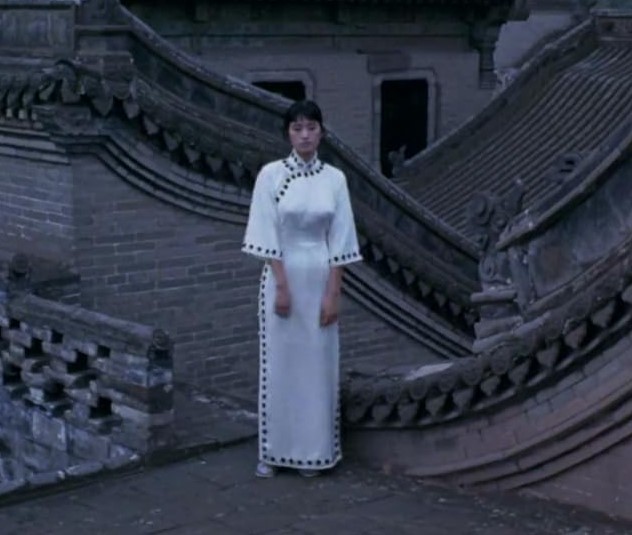
When I first stumbled upon Zhang Yimou’s Raise the Red Lantern during a late-night film club screening in college, I had no idea I was witnessing the work of what would become one of the most transformative movements in world cinema. The film’s stunning visual composition—those crimson lanterns glowing against stark courtyard walls—drew me into a world that was simultaneously alien and deeply human. That night marked the beginning of my obsession with Fifth Generation Chinese cinema, a movement that emerged from the ashes of the Cultural Revolution and forever changed not just Chinese film, but global cinema as we know it.
Understanding the Fifth Generation: Context and Origins
To truly appreciate Fifth Generation cinema, you need to understand where these filmmakers came from—both literally and figuratively. The term “Fifth Generation” refers to the graduating class of 1982 from the Beijing Film Academy, the first group of students admitted after the Academy reopened following the Cultural Revolution. These were young people who had lived through one of the most turbulent periods in modern Chinese history, many having been sent to rural areas during the “Down to the Countryside Movement” where urban youth were relocated to learn from peasants.
This wasn’t just some abstract historical footnote for them—it was their lived experience. Directors like Chen Kaige spent years working in rubber plantations and remote villages. Zhang Yimou worked in a textile factory. Tian Zhuangzhuang labored on farms. These experiences of displacement, hardship, and exposure to China’s vast rural landscapes would profoundly shape their cinematic vision.
When the Beijing Film Academy reopened its doors in 1978, these young people—many already in their late twenties or early thirties—brought with them a hunger for knowledge and a determination to create something new. Unlike previous generations of Chinese filmmakers who had been trained in socialist realist traditions, the Fifth Generation had access to international films that had been banned during the Cultural Revolution. They devoured everything from Italian neorealism to Soviet montage theory, from Hollywood classics to French New Wave experiments.
The result was a generation of filmmakers who felt compelled to examine China’s recent past with unflinching honesty while simultaneously pushing the boundaries of cinematic form and language. They rejected the propaganda-heavy narratives of earlier Chinese cinema and instead embraced visual storytelling, symbolism, and artistic experimentation that often put them at odds with Chinese censors.
The Visual Revolution: Style and Aesthetics
What immediately strikes you when watching Fifth Generation films is their sheer visual audacity. These filmmakers approached cinema as painters approach canvas, creating compositions that could stand alone as works of art. Unlike the Fourth Generation filmmakers who preceded them and who focused primarily on narrative realism, the Fifth Generation prioritized visual metaphor and symbolic imagery.
Take Chen Kaige’s Yellow Earth (1984), widely considered the movement’s inaugural masterpiece. The film’s cinematographer was none other than Zhang Yimou (before he became a director himself), and together they created images that were revolutionary in Chinese cinema. The vast, barren landscapes of northern Shaanxi province aren’t just backdrops—they’re characters in their own right, representing both the harsh beauty of rural China and the suffocating weight of tradition. Those long, static shots of peasants dwarfed by endless yellow plateaus communicated more about the human condition than pages of dialogue ever could.
The color palette in Fifth Generation films often carries symbolic weight. Zhang Yimou became particularly famous for his use of bold, saturated colors. In Raise the Red Lantern (1991), red dominates the frame—representing passion, tradition, and the blood of women trapped in patriarchal structures. In Ju Dou (1990), the vibrant dyes in the fabric workshop create a stunning visual contrast with the dark, oppressive story of forbidden love and revenge. These weren’t just aesthetic choices; they were narrative devices that communicated emotional and thematic content directly to the viewer.
The Fifth Generation also revolutionized how Chinese films used landscape and space. Instead of the claustrophobic studio settings common in earlier Chinese cinema, these filmmakers ventured into remote locations, using natural landscapes to create a sense of epic scale. The deserts in Red Sorghum (1988), the Gobi Desert in The Story of Qiu Ju (1992), the mountains in King of the Children (1987)—these locations became essential to the films’ meanings, grounding stories in specific Chinese realities while also universalizing them through sheer visual poetry.
Chen Kaige: The Philosopher Filmmaker
If I had to pick one director who embodies the intellectual ambitions of the Fifth Generation, it would be Chen Kaige. His films feel like philosophical investigations disguised as narratives, always probing questions about Chinese identity, tradition, and modernity with a seriousness that can be both enlightening and exhausting.
Yellow Earth remains his most influential work, though perhaps not his most accessible. I remember struggling with its slow pace the first time I watched it—those long, silent sequences testing my patience. But on subsequent viewings, I came to appreciate its meditative quality and the way it uses silence and stillness to create meaning. The film follows a Communist soldier collecting folk songs in 1939 who stays with a peasant family, subtly exploring the tension between revolutionary ideals and entrenched rural traditions. The ending, where a young girl tries to cross the Yellow River to join the Eighth Route Army, is both heartbreaking and ambiguous—typical of Chen’s refusal to provide easy answers.
Farewell My Concubine (1993) is probably Chen’s masterpiece and certainly his most internationally successful film. This epic spanning five decades of Chinese history tells the story of two Peking Opera performers and the woman who comes between them. What makes the film extraordinary is how Chen weaves together personal drama with political history, showing how the tumult of twentieth-century China—from warlords to Japanese occupation to Communist revolution to Cultural Revolution—impacts individual lives. The performances are stunning (particularly Leslie Cheung as the actor who can never quite separate his stage identity from his real self), and the film’s exploration of gender, sexuality, and artistic dedication feels remarkably bold even today.
I found The Emperor and the Assassin (1999) to be an underrated gem in Chen’s filmography. This historical epic about the unification of China under the Qin Dynasty is simultaneously a grand spectacle and an intimate character study. Chen uses the ancient story to explore timeless questions about power, violence, and the cost of ambition. The battle sequences are breathtaking, but what stays with you are the quiet moments between characters wrestling with impossible choices.
Later Chen films like Together (2002) and Caught in the Web (2012) show him continuing to evolve, though I’ll admit some of his more recent work hasn’t resonated with me as powerfully as his early masterpieces. There’s a sense that the raw energy and political urgency of those first films has been replaced by something more polished but perhaps less vital.
Zhang Yimou: The Master Colorist
Zhang Yimou is probably the most internationally famous Fifth Generation director, and for good reason. His films are visual feasts that somehow manage to be both art-house experiments and emotionally accessible dramas. What I love about Zhang’s work is how he can make films that work on multiple levels—as gorgeous visual experiences, as compelling narratives, and as subtle political commentaries.
His directorial debut Red Sorghum (1988) announced a major new talent. Based on Mo Yan’s novel, the film tells the story of a young woman forced into an arranged marriage who eventually takes over her husband’s winery. It’s a film bursting with life, color, and energy—a far cry from the austere aesthetics of earlier Chinese cinema. That opening scene where the bride is carried in a sedan chair through endless fields of red sorghum is pure cinema, using movement, color, and music to create something primal and beautiful.
But it was Zhang’s collaboration with actress Gong Li that produced some of the most memorable films of the 1990s. Ju Dou (1990) used the setting of a dye workshop to tell a story of forbidden passion and revenge, with those vibrant colors creating an almost suffocating intensity. Raise the Red Lantern (1991) explored the lives of concubines in a wealthy household, using the ritualistic lighting and extinguishing of lanterns to symbolize power dynamics and the destruction of women’s agency. The film’s architectural framing—those symmetrical courtyards seen from high angles—creates a sense of entrapment that perfectly mirrors the characters’ psychological prisons.
The Story of Qiu Ju (1992) marked a departure for Zhang, using documentary-style techniques and non-professional actors to tell a deceptively simple story about a peasant woman seeking justice. What I appreciate about this film is how it avoids easy answers, showing both the strengths and limitations of China’s legal system while creating a protagonist who is stubborn, determined, and thoroughly human.
To Live (1994) might be Zhang’s most emotionally devastating film. Following one family through decades of Chinese political upheaval, from the Chinese Civil War through the Great Leap Forward and Cultural Revolution, the film shows how ordinary people survive (or don’t) through catastrophic historical events. The shadow puppet performances that bookend the film create a meta-theatrical frame that reminds us we’re watching not just history but the performance of history. It’s a film that builds slowly but lands with crushing emotional weight.
Zhang’s later period has been more controversial among cinephiles. Films like Hero (2002) and House of Flying Daggers (2004) are undeniably gorgeous wuxia spectacles, but some critics feel they prioritize visual splendor over the political and social engagement of his earlier work. I’m more forgiving—I think Zhang earned the right to make whatever films he wants, and those martial arts epics have their own artistic merit, even if they’re different from To Live or Raise the Red Lantern.
Tian Zhuangzhuang: The Uncompromising Artist
Tian Zhuangzhuang is perhaps the least commercially successful of the major Fifth Generation directors, but in many ways, he’s the most artistically pure. His films are challenging, often slow-paced, and uninterested in conventional narrative satisfaction. They require patience and attention, but they reward viewers willing to meet them on their own terms.
On the Hunting Ground (1985) was one of his early films, depicting the lives of Mongolian hunters with an almost ethnographic attention to detail. What struck me about this film was its resistance to romanticizing or exoticizing its subjects. Tian shows their lives with respect and specificity, allowing their culture to unfold naturally rather than explaining it for Han Chinese or international audiences.
The Horse Thief (1986) is the film that established Tian’s reputation as a visual poet. Set in Tibet and following a man expelled from his tribe for stealing horses, the film is less interested in conventional plot than in capturing rituals, landscapes, and the spiritual dimensions of Tibetan Buddhism. The images are often stunning—prayer flags against mountain peaks, elaborate religious ceremonies, the harsh beauty of the plateau. It’s a film that asks you to experience rather than simply watch.
But Tian’s masterpiece is undoubtedly The Blue Kite (1993), which resulted in him being banned from filmmaking for nearly a decade. The film traces one family through the political campaigns of the 1950s and 1960s, showing with devastating specificity how state policies destroyed lives and families. What makes the film so powerful is its refusal to melodramatize—the tragedy unfolds with a kind of matter-of-fact inevitability that makes it all the more heartbreaking. The blue kite of the title becomes a symbol of childhood innocence destroyed by political violence.
After his filmmaking ban, Tian eventually returned with films like Springtime in a Small Town (2002), a remake of a 1948 classic that showed he hadn’t lost his touch for creating emotionally complex, visually sophisticated cinema. His documentary work on Chinese opera traditions has also been valuable in preserving cultural knowledge.
Other Important Fifth Generation Voices
While Chen, Zhang, and Tian are the most internationally recognized, other Fifth Generation filmmakers made significant contributions. Wu Ziniu, often called the “Chinese Coppola,” made powerful war films like The Dove Tree (1985) that examined the psychological and moral costs of conflict. His work deserves more attention outside China.
Wu Tianming, who was slightly older and served as a mentor to many Fifth Generation directors, created films like Old Well (1987) that combined Fifth Generation aesthetics with more traditional narrative structures. As head of Xi’an Film Studio, he enabled many Fifth Generation projects by protecting filmmakers from political pressure and securing funding.
Li Shaohong brought a distinctly female perspective to Fifth Generation cinema with films like Blush (1995), which explored women’s experiences with sensitivity and complexity often missing from her male colleagues’ work. The Fifth Generation has been rightly criticized for sometimes using women as symbols rather than fully realized characters, making Li’s contributions particularly valuable.
Zhang Junzhao, Hu Mei, and others expanded the movement’s range, showing that Fifth Generation sensibilities could be applied to various genres and subjects while maintaining that commitment to visual innovation and cultural reflection.
Women in Front of and Behind the Camera
One of my complicated feelings about Fifth Generation cinema concerns gender representation. On one hand, these films featured some of the most powerful female performances in cinema history—Gong Li’s work with Zhang Yimou, for instance, created unforgettable characters who navigated impossible situations with dignity and determination. The films often critiqued patriarchal traditions and showed women’s suffering under oppressive systems.
On the other hand, there’s a valid criticism that Fifth Generation directors (mostly men) sometimes used women’s bodies and suffering as metaphors for China itself—the violated woman standing in for the violated nation. Female characters were often objects of the camera’s gaze rather than subjects with full interiority. And there were far fewer women directors in the Fifth Generation than men, a disparity that limited the perspectives represented.
Gong Li’s collaborations with Zhang Yimou created some of the most iconic images of Fifth Generation cinema. Her performances had a fierce intelligence and emotional depth that elevated every film she appeared in. Whether playing the rebellious daughter-in-law in Red Sorghum, the trapped concubine in Raise the Red Lantern, or the determined peasant in The Story of Qiu Ju, she brought complexity and humanity to roles that could have been merely symbolic.
Political Tensions and Censorship
You can’t discuss Fifth Generation cinema without addressing its fraught relationship with Chinese authorities. These filmmakers came of age wanting to examine China’s recent past honestly, but that desire frequently conflicted with official narratives. Many Fifth Generation films were banned domestically even as they won awards internationally, creating a strange situation where China’s most acclaimed filmmakers were persona non grata at home.
The Blue Kite got Tian Zhuangzhuang banned from filmmaking for years. To Live was banned in China despite (or because of) its sympathetic portrayal of how ordinary people suffered through political campaigns. Even relatively apolitical films faced censorship for their sexual content or their unflattering depictions of rural poverty.
This created a complex dynamic where Fifth Generation directors often made films for international film festivals and art house audiences abroad while being unable to show them to Chinese audiences. Some critics accused them of making “orientalist” films that confirmed Western stereotypes about Chinese backwardness. Others defended them as brave artists telling truths that needed to be told.
The relationship between these filmmakers and the state evolved over time. Some, like Zhang Yimou, eventually achieved enough status to direct spectacular state-approved projects like the opening ceremony of the 2008 Beijing Olympics. Others maintained more oppositional stances. These different paths reflected genuine differences in the filmmakers’ relationships with Chinese politics and culture.
International Recognition and Influence
The Fifth Generation put Chinese cinema on the international map in unprecedented ways. When Chen Kaige’s Farewell My Concubine shared the Palme d’Or at Cannes in 1993, it was a watershed moment. Zhang Yimou’s films became fixtures at major international festivals, winning awards and critical acclaim. This exposure didn’t just benefit individual filmmakers—it sparked international interest in Chinese cinema more broadly.
For cinephiles around the world, Fifth Generation films offered a window into Chinese culture, history, and social issues that was both aesthetically exciting and intellectually engaging. These weren’t the martial arts films that had previously been the main Chinese export; they were art films that could stand alongside the work of European and Japanese masters.
The influence flowed both ways. Fifth Generation aesthetics—those bold colors, symbolic landscapes, and visual metaphors—influenced filmmakers globally. You can see echoes in the work of directors from Taiwan (Ang Lee), Korea (Park Chan-wook), and beyond. Even Hollywood filmmakers borrowed elements of Fifth Generation style, though usually without the political depth.
Themes and Obsessions
Watching Fifth Generation films, certain themes recur with obsessive frequency. There’s a preoccupation with how history crushes individuals—the way political movements and social upheavals destroy families, relationships, and lives. This makes sense given these filmmakers’ experiences during the Cultural Revolution.
There’s also a constant tension between tradition and modernity, between rural and urban China, between individual desire and social obligation. These films often take place in liminal spaces—historical transition periods where old ways are dying but new ones haven’t fully emerged. This creates a sense of uncertainty and possibility that mirrors China’s own transformation during the period when these films were made.
Female suffering appears repeatedly, sometimes critiqued, sometimes aestheticized in ways that make me uncomfortable. The best Fifth Generation films interrogate patriarchal traditions and show their human costs. The less successful ones seem to revel in that suffering without adequately critiquing it.
Landscape and environment function as more than setting—they’re expressions of psychological states and philosophical positions. The yellow earth isn’t just where characters live; it’s history, tradition, and the weight of the past made visible. The red sorghum isn’t just crops; it’s vitality, passion, and life force.
The Sixth Generation and Beyond
By the mid-1990s, a new generation of filmmakers emerged—the so-called Sixth Generation—whose relationship to the Fifth Generation was simultaneously reverential and rebellious. Directors like Jia Zhangke, Wang Xiaoshuai, and Zhang Yuan rejected the epic historical scope and symbolic landscapes of their predecessors in favor of gritty urban realism and contemporary subjects.
Where the Fifth Generation looked backward to understand China’s traumatic twentieth century, the Sixth Generation looked at the present—the rapid urbanization, economic transformation, and social dislocation of 1990s and 2000s China. Where the Fifth Generation created meticulously composed images, the Sixth Generation often embraced handheld cameras and documentary aesthetics.
This generational shift reflected changing conditions in China itself. The questions that obsessed the Fifth Generation—how did we survive the past? What do we make of tradition? How do we process historical trauma?—gave way to new concerns about capitalism, urbanization, globalization, and China’s place in the modern world.
Personal Reflections on Legacy
Looking back at Fifth Generation cinema from the perspective of 2025, I’m struck by both its achievements and limitations. These filmmakers crafted some of the most visually stunning, intellectually ambitious films in world cinema. They forced international audiences to take Chinese cinema seriously as an art form. They documented and interrogated crucial aspects of Chinese history and culture.
But I also recognize the valid criticisms. The movement was dominated by men whose perspectives, while valuable, were limited. The focus on rural, historical China sometimes felt like an evasion of contemporary urban realities. The symbolic use of women’s bodies could veer into exploitation. The cultivation of international art house audiences sometimes came at the expense of connecting with domestic Chinese viewers.
What I appreciate most about Fifth Generation cinema is its ambition—the sense that cinema could be more than entertainment, that it could grapple with history, politics, culture, and the human condition in formally innovative ways. These weren’t filmmakers content to make competent commercial products. They wanted to create art that mattered, that would endure, that would make people think and feel.
Key Films: A Personal Essential List
If you’re new to Fifth Generation cinema and want to dive in, here are the films I consider essential, roughly in the order I’d recommend watching them:
Red Sorghum (1988) – Zhang Yimou’s directorial debut is probably the most accessible entry point, with its vibrant colors and passionate storytelling.
Raise the Red Lantern (1991) – Zhang’s most visually controlled film, a masterpiece of composition and symbolic mise-en-scène.
Farewell My Concubine (1993) – Chen Kaige’s epic is the movement’s most commercially successful film for good reason—it combines spectacle with intimate drama brilliantly.
Yellow Earth (1984) – Chen and Zhang’s collaboration that started it all, essential viewing though challenging for its slow pace.
To Live (1994) – Zhang Yimou’s most emotionally devastating film, a family saga that doubles as historical testimony.
The Blue Kite (1993) – Tian Zhuangzhuang’s banned masterpiece, the most unflinching examination of how politics destroyed lives.
The Horse Thief (1986) – Tian’s visual poem about Tibetan culture, for viewers ready for something more experimental.
Ju Dou (1990) – Zhang Yimou’s claustrophobic tale of forbidden love, showcasing his mastery of color symbolism.
The Story of Qiu Ju (1992) – Zhang’s documentary-style drama, showing his versatility beyond lush period pieces.
King of the Children (1987) – Chen Kaige’s meditation on education and knowledge during uncertain times.
Watching These Films Today
One thing I’ve noticed rewatching these films over the years is how differently they play depending on where you are in your life and what’s happening in the world. When I was younger, I was primarily drawn to the visual beauty and the exotic (to me) cultural specificity. Now, I’m more attuned to the political subtext and the ways these films grapple with trauma, memory, and historical violence.
These films also feel surprisingly relevant to contemporary global concerns. The questions they ask about how societies process traumatic pasts, about the tension between tradition and modernity, about individual freedom versus social obligation—these remain urgent worldwide. The specific Chinese context matters tremendously, but the themes resonate universally.
The best way to watch these films is with patience and attention. Don’t expect Hollywood pacing or conventional narrative structures. Let the images work on you. Pay attention to color, composition, and landscape. Think about what’s being said both directly and symbolically. And if you find yourself confused or frustrated, that’s okay—these are challenging films that reward but also demand engagement.
The Continuing Influence
Even as Chinese cinema has moved in new directions, Fifth Generation influence persists. Zhang Yimou continues making films, even if his recent work divides critics. Chen Kaige keeps directing, though his output has been uneven. The visual language they developed—those bold colors, symbolic landscapes, and composed frames—has become part of the vocabulary of international art cinema.
More importantly, they demonstrated that Chinese filmmakers could compete on the world stage, that Chinese stories and aesthetics had universal appeal. This opened doors for subsequent generations and helped establish Chinese cinema as a vital part of world film culture.
For contemporary Chinese filmmakers, the Fifth Generation represents both an inspiration and something to react against. You can see their influence in the historical epics that continue to be popular in Chinese cinema, but you can also see younger filmmakers deliberately rejecting Fifth Generation aesthetics in favor of different approaches.
Technical Innovations
Beyond aesthetics, the Fifth Generation introduced technical innovations that advanced Chinese filmmaking. Their cinematography elevated the craft, showing what could be achieved with careful attention to lighting, framing, and camera movement. Their sound design, particularly in films like Yellow Earth and Red Sorghum, used ambient sound and music in sophisticated ways.
The production practices they developed—shooting on location in difficult conditions, working with non-professional actors, collaborating intensively between directors and cinematographers—influenced how Chinese films were made. They proved that Chinese filmmakers could match international production values while maintaining distinctive cultural identities.
Critical Debates
Academic and critical debates about Fifth Generation cinema continue. Some scholars see these films as genuinely radical interventions that challenged both Chinese and Western cinematic conventions. Others view them as essentially conservative in their gender politics and their sometimes romanticized view of rural tradition.
The question of audience remains contentious. Were these films made primarily for Western film festival audiences, essentially “orientalist” products that confirmed stereotypes? Or were they sincere attempts to grapple with Chinese history and culture that happened to find international audiences?
My own view is that both things can be true simultaneously. These filmmakers genuinely wanted to examine Chinese history and culture with honesty and depth. But they were also aware of international audiences and markets, and that awareness shaped their work in complex ways. This doesn’t invalidate their achievements, but it does mean we should watch with critical awareness of these dynamics.
Conclusion: Why They Still Matter
As I write this in 2025, more than forty years after the first Fifth Generation films appeared, I’m convinced of their lasting importance. These films captured a crucial moment in Chinese and world history. They pushed cinema forward as an art form. They told stories that needed to be told about trauma, survival, and human resilience.
More personally, these films changed how I think about cinema’s possibilities. They showed me that films could be simultaneously beautiful and politically engaged, that visual storytelling could communicate as powerfully as dialogue, that cinema from any culture could speak to universal human experiences while remaining rooted in specific cultural contexts.
If you’ve never explored Fifth Generation Chinese cinema, I envy you the discoveries ahead. Start with Red Sorghum or Raise the Red Lantern, and let yourself be drawn into these worlds. Pay attention not just to what’s being said but to how it’s being shown. Think about color, space, landscape, and symbol. And prepare to see some of the most visually stunning, intellectually challenging, and emotionally powerful films ever made.
For those of us who love these films, they remain endlessly rewatchable, revealing new depths with each viewing. They document a vanished world even as they speak to timeless human concerns. They remind us that cinema can be art, that it can matter, that it can change how we see the world and understand ourselves.
The Fifth Generation created a body of work that will endure as long as people care about cinema. That’s not bad for a group of students who emerged from political turmoil with cameras and a determination to tell the truth as they saw it. Their legacy isn’t just the beautiful images they created—though those would be enough—but the proof they offered that cinema could engage seriously with history, politics, and culture while remaining accessible to audiences willing to meet them halfway.
Pingback: Chen Kaige: The Poet of Paradox — Cinema, History, and Transformation in the Fifth Generation - deepkino.com