
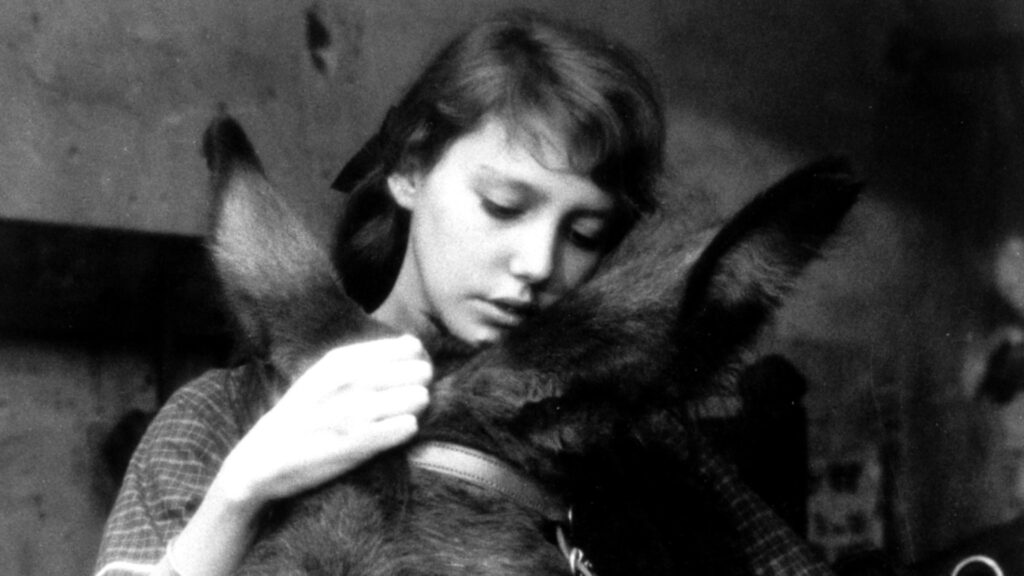
Robert Bresson was a director whose influence extends far beyond the body of his relatively small oeuvre. As a filmmaker, he developed a stringent and personal aesthetic, reducing the medium of cinema to its bare essentials. As opposed to the expressive, performative cinema of Hollywood or the kinetic, frequently politically engaged cinema of the French New Wave, Bresson’s films stand out for their asceticism, their measured pace, and their focus on the inner life of characters. His influence can be felt in the work of as different directors as Andrei Tarkovsky, Michael Haneke, and the Dardenne brothers. This article will discuss Bresson’s unique aesthetic style, his unusual directing technique, his legacy in cinema, his filmography, and his lasting impact on the world of film.
The Aesthetic Style of Robert Bresson
Bresson’s cinema is often described as “pure cinema” due to his rejection of theatricality and his commitment to an austere, minimalist approach. His style is characterized by:
- Use of Non-Actors (“Models”): Bresson preferred to work with non-professional actors, whom he referred to as “models.” He discouraged them from “acting” in the conventional sense, instructing them instead to deliver lines in a flat, emotionless manner. This technique was intended to strip away artifice and create a deeper sense of realism and internalization.
- Minimalist Sound Design: Bresson was meticulous in his use of sound, often eliminating unnecessary background noise and dialogue. His films frequently employ diegetic sound to enhance realism while avoiding traditional film scores that dictate emotional responses.
- Fragmented and Economical Editing: Rather than relying on traditional continuity editing, Bresson employed a highly disciplined editing style that often fragmented actions into a series of close-ups and details. He avoided establishing shots and exposition, forcing the viewer to engage with the material more actively.
- Focus on Spiritual and Existential Themes: Many of Bresson’s films explore themes of grace, redemption, suffering, and fate. His characters are often placed in morally or spiritually challenging situations, and their struggles reflect deeper philosophical questions about human existence.
- Rejection of Traditional Storytelling Conventions: Bresson’s films often eschew traditional dramatic arcs, climaxes, and resolutions. Instead, his narratives unfold in a manner that mirrors real life—unpredictable, often anti-climactic, and stripped of sentimentality.
Bresson’s Unique Directorial Approach
Bresson’s approach to directing was radically different from that of most filmmakers. His method involved an almost total rejection of conventional performance techniques. Some key aspects of his directing style include:
- Avoidance of Expressive Acting: Bresson believed that traditional acting was a form of “lying” in cinema. He sought to remove all theatricality from his films, often requiring his actors to repeat takes multiple times until their performances became devoid of deliberate emotion.
- Meticulous Attention to Detail: Every element in a Bresson film is carefully considered, from the movement of a hand to the way a door is closed. His films often focus on gestures and physical details rather than facial expressions.
- Use of Repetition: Bresson frequently employed repetition in his films, whether through dialogue, sound motifs, or visual elements. This technique reinforced themes and heightened the film’s meditative quality.
- Detachment from Traditional Film Conventions: Bresson’s refusal to use conventional cinematic tropes such as reaction shots, over-the-shoulder compositions, and artificial lighting contributed to the stark realism of his films.
Bresson’s Influence on Other Filmmakers
Bresson’s radical approach to cinema influenced many filmmakers across different generations and countries. Some of the most notable directors inspired by his work include:
- Andrei Tarkovsky: The Russian filmmaker admired Bresson’s spiritual depth and minimalist approach, incorporating similar elements in films like Andrei Rublev and The Sacrifice.
- Michael Haneke: Haneke’s unflinching realism and detached approach to violence in films such as Funny Games and The White Ribbon owe much to Bresson’s influence.
- The Dardenne Brothers: Jean-Pierre and Luc Dardenne, known for their social realism, use of non-professional actors, and stripped-down aesthetic, are direct heirs to Bresson’s approach.
- Paul Schrader: The American screenwriter and director wrote extensively about Bresson in Transcendental Style in Film, and his film First Reformed is deeply indebted to Bresson’s Diary of a Country Priest.
- Bruno Dumont: The French director adopts Bresson’s stark visual style and thematic concerns with spiritual crises in films like L’Humanité and Hadewijch.
Key Films of Robert Bresson
Bresson’s filmography is relatively small, but each film is a masterclass in cinematic purity and precision. Some of his most significant works include:
- Diary of a Country Priest (1951): A deeply spiritual film about a young priest struggling with his faith and ill health in a rural parish. The film’s introspective narration and stark aesthetic became hallmarks of Bresson’s style.
- A Man Escaped (1956): Based on a true story, this film follows a French resistance fighter’s meticulous escape from a Nazi prison. Its focus on process and detail exemplifies Bresson’s commitment to realism.
- Pickpocket (1959): One of Bresson’s most influential films, Pickpocket tells the story of a young thief in Paris and his gradual spiritual redemption. Its tight editing and detached performances make it a landmark in minimalist cinema.
- Au Hasard Balthazar (1966): Often regarded as Bresson’s masterpiece, this film follows the life of a donkey as it passes through the hands of various owners. It is a deeply moving allegory of suffering and grace.
- Mouchette (1967): A tragic portrait of a young girl’s harsh existence, Mouchette is a devastating study of human cruelty and resilience.
- L’Argent (1983): Bresson’s final film, based on a Tolstoy short story, is a bleak examination of the corrupting power of money. It remains one of his most powerful works.
The Legacy of Robert Bresson
Bresson’s impact on film extends far beyond his own directorial work. His austere filmmaking style contributed to the dissolution of traditional notions of narrative and acting and paved the way for a more contemplative, philosophical brand of cinema. His influence can still be sensed in contemporary independent and art-house cinema, where filmmakers continue to experiment with minimalist style and the interior conflict of characters.
Despite never achieving mainstream popularity, Bresson is a revered figure by filmmakers and cinephiles. His films, at times challenging but deeply rewarding, challenge the spectator to think about cinema in a more meditative and reflective way.
Robert Bresson’s legacy, then, is that of a director who sought to reduce the medium to its most basic elements, revealing a deeper, more fundamental truth about human life. His movies still inspire new generations of filmmakers and are a staple of serious film study.