
There is a question that can make or break a film before anyone has seen a single frame: “Who is in it?”
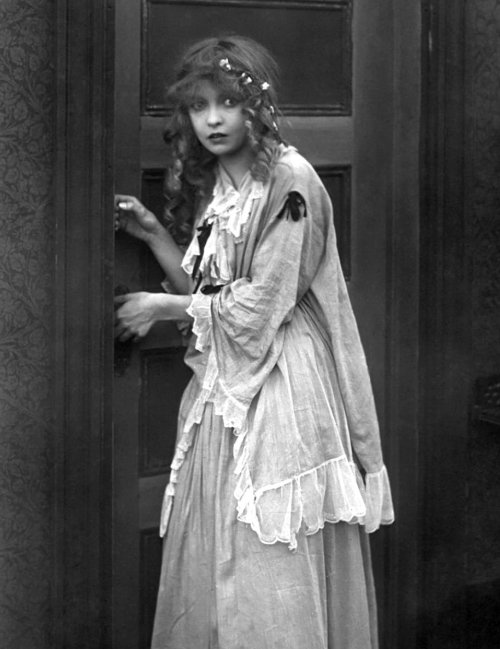
It sounds simple, almost innocent. Yet that question is one of Hollywood’s greatest achievements. It tells us that an actor’s name can function like a promise. Put Humphrey Bogart in a film and we expect a certain kind of moral weariness, a certain cigarette smoke, a certain way of looking at the world as if every ideal has already been tested. Put John Wayne on a horse and the landscape seems to straighten its back. Put Marilyn Monroe in front of a camera and the frame itself appears to become more interested in glamour, vulnerability, and the complicated comedy of desire. Put Marlon Brando in a room and suddenly the furniture has to deal with a new kind of electricity.
This is the Hollywood star system: the organized process through which film companies discover, shape, publicize, repeat, and sell the identities of performers. It is not simply a list of famous actors. It is an industrial and cultural machine that turns a human being into a recognizable screen presence, then uses that presence to attract audiences to films.
The system has always depended on a fascinating contradiction. A star must feel unique, but also familiar. We want to believe that we are seeing an individual unlike anyone else, yet we also want the pleasures associated with that individual to return. The star has to surprise us without becoming unrecognizable. As the reference work Encyclopedia.com puts it, the system rests on the tension between the individuality of stars and the regularity, repetition, and similarity implied by the word “system.”
That contradiction explains why a star can be both an artist and a product, both a performer and a piece of marketing, both a person and a public image. It also explains why Hollywood has spent more than a century asking actors to be larger than life while controlling almost every detail of the life it sells.
What Exactly Is the Star System?
The star system is often confused with celebrity in general. They are related, but they are not identical. A celebrity may become famous through politics, music, sport, television, social media, or scandal. A film star is a performer whose public identity becomes part of the meaning and commercial value of movies.
In practical terms, the star system does three things at once. First, it presents an actor as a screen image: the personality, body, voice, gestures, costumes, romantic appeal, toughness, intelligence, humor, or vulnerability that audiences recognize. Second, it treats the actor as labor: someone hired to perform a role within a highly specialized production process. Third, it treats the actor as capital: an investment whose name and image can help a film secure financing, publicity, distribution, and an audience.
| Function of a star | What it means | How audiences experience it |
| Image | A recognizable public and screen persona | “I know what kind of presence this actor brings.” |
| Labor | A performer working inside a film’s collaborative production | “This actor is interpreting a character.” |
| Capital | A marketable asset that reduces uncertainty for producers and distributors | “I may buy a ticket because this star is in it.” |
The key word here is recognizable. The Hollywood star does not begin from zero in every film. Even when an actor plays a new character, traces of earlier roles travel with them. Cary Grant can play a thief, a husband, a professor, or a man in danger, but the audience also brings the Cary Grant they have already met: elegant, quick, flirtatious, slightly absurd, and almost impossibly composed. That accumulated memory is part of the performance.
This does not mean stars cannot act. In fact, the most interesting stars often create tension between their familiar image and the new character. James Stewart’s anxious decency becomes something darker in Vertigo. Henry Fonda’s moral authority turns frightening in Once Upon a Time in the West. Robert De Niro’s volatility can be used for comedy, tenderness, menace, or self-parody. The pleasure lies partly in watching an established persona bend without breaking.
Before Hollywood Had Stars, Cinema Had Faces
It would be inaccurate to say that the star system suddenly appeared when sound and color entered cinema in the 1930s. Its roots reach back to the silent period, when film companies gradually realized that audiences did not only return for stories, tricks, or spectacular images. They also returned for particular performers.
In the earliest years of motion pictures, films were often sold as technological attractions. The moving image itself was the novelty. The industry was not yet fully organized around recurring fictional characters, long-term audience loyalty, or carefully managed actor identities. According to the Encyclopedia.com account, early film acting was frequently amateur or semi-professional, and the young industry initially had little reason to promote performers by name.
That began to change as production expanded. Between roughly 1907 and 1914, the growth of nickelodeon theaters helped increase the volume of narrative filmmaking and encouraged a more specialized division of labor. Once audiences began seeing performers repeatedly, the performer’s identity became useful. A face could now be remembered across several films. A name could become a reason to choose one film over another.
One of the crucial developments was the decision to identify actors publicly. Early producers sometimes kept performer names anonymous because they feared that popular actors would demand higher salaries or leave for competing companies. But names gradually appeared in credits, posters, fan publications, and publicity. The unnamed “Biograph Girl,” for example, could become Florence Lawrence once the industry recognized the value of giving a face a name and a name a market.
This may sound ordinary now, but it was a revolutionary shift. Before it, the performer was part of the attraction. After it, the performer could become the attraction. The audience was no longer simply watching a movie; it was following a personality.
By the 1910s and early 1920s, newspapers and fan magazines expanded the process by covering actors’ lives away from the set. The star’s private life was never entirely private. It was arranged, edited, photographed, and circulated as a companion story to the films. The public wanted to know whether the person they admired on-screen was romantic, naughty, generous, lonely, disciplined, or secretly just like them.
That last phrase is important. Stardom depends on distance and intimacy at the same time. The star must seem impossibly beautiful, brave, funny, or talented, but also emotionally available. Audiences need to dream about the star and feel that they understand the star. The publicity machine creates this illusion by offering carefully selected glimpses of a life that feels personal while remaining commercially useful.
Chaplin, Keaton, and the Different Meaning of Early Stardom
The user’s original observation that early cinema had major character performers who were not necessarily “big stars” in the later Hollywood sense contains an important truth, but it needs a small correction. Charlie Chaplin, Buster Keaton, and Lillian Gish were not minor figures who were overlooked by their contemporaries. They were enormous screen personalities. What changed was the industrial form of their fame.
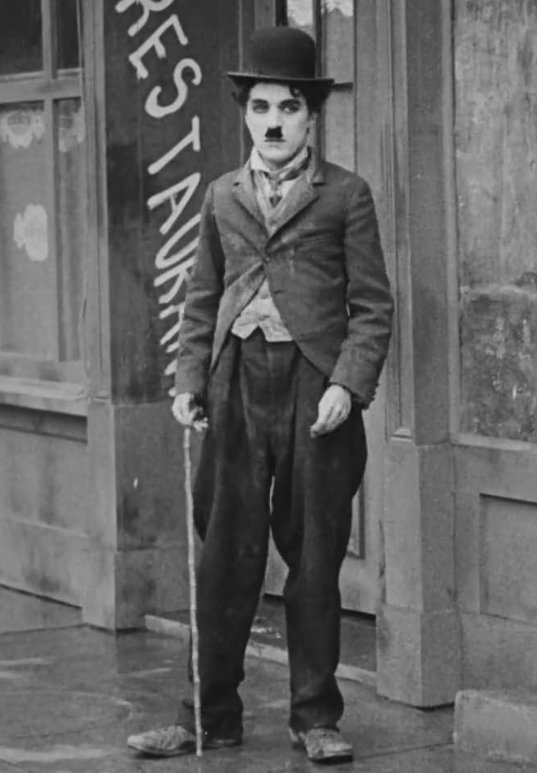
Chaplin became one of the most recognizable people on the planet. His Little Tramp costume, cane, mustache, walk, and wounded dignity formed a visual signature that could cross language barriers. He was not famous because a studio had simply assigned him a romantic lead or placed him in a prestigious production. He created a character whose gestures could be recognized almost anywhere. In his case, the star and the character became inseparable.
Buster Keaton’s stone face worked differently. His screen persona was not warmth displayed openly but composure under impossible pressure. Buildings collapse, trains race toward him, marriages become bureaucratic nightmares, and the universe behaves like a badly maintained machine. Keaton’s refusal to panic became its own kind of heroism. His stardom came from the precise repetition of a comic identity, but also from the astonishing physical intelligence hidden beneath that deadpan expression.
Lillian Gish represented another path. Her performances made fragility, endurance, and emotional intensity into monumental screen qualities. In the close-up, her face was not merely a face; it was a landscape of feeling. She helped demonstrate that film acting could depend on stillness as much as movement.
These performers complicate any neat story in which “real stars” only arrived with sound. Silent cinema already understood the power of faces, bodies, silhouettes, and repeated identities. What sound later added was a new dimension of personality: the voice. The voice could make a performer more intimate, more comic, more sensual, more authoritative, or more difficult to disguise.
Sound, Color, and the Hollywood Dream Factory
The arrival of synchronized sound at the end of the 1920s transformed the film industry economically and aesthetically. It was not merely a technical improvement. It changed how actors were judged. A silent star with an unsuitable voice, accent, or speaking style could suddenly appear vulnerable. A performer with a remarkable voice could become more valuable overnight.
Color also changed the sensory appeal of the screen, although its adoption was gradual and uneven rather than a single event in the middle of the 1930s. Sound and color helped studios sell cinema as a full-bodied spectacle, but they did not create stardom from nothing. They expanded the available tools for manufacturing and presenting a star.
Hollywood understood that the public was looking for more than realistic people. It was selling fantasies of identity. The audience could see versions of the lives it wished to have: the beautiful woman who enters a room and changes its temperature; the gangster with a dangerous voice and perfect control; the cowboy who can draw, ride, and make moral decisions before everyone else has finished speaking; the sophisticated lover who turns embarrassment into elegance; the working person who refuses humiliation; the soldier, spy, rebel, or outsider who possesses the courage ordinary life seems to punish.
The star system offered a shortcut to these dreams. A new film did not have to explain the entire universe from the beginning. A familiar star carried a ready-made emotional vocabulary into the theater.
The larger studio system made this possible. The major companies controlled large parts of production, distribution, and exhibition. Britannica reports that American studios produced more than 7,500 features between 1930 and 1945, while controlling the process from conception through exhibition. By 1930, five vertically integrated major companies accounted for the vast majority of American production, and the major studios owned or controlled important first-run theaters.
This was an assembly line, but it was not a mindless one. The studios had writers, directors, designers, editors, cinematographers, producers, acting coaches, publicists, costume departments, photographers, and contract managers. The actor’s image could be adjusted from film to film. A hairstyle could be changed. A name could be shortened. An accent could be trained. A body could be photographed, dressed, lit, and framed according to a studio’s idea of market value.
The system’s efficiency was also its cruelty. A studio could keep an actor under contract, assign them roles, suspend them for refusing work, or decide that their image no longer fit the public mood. The performer received visibility, training, and a regular place in the machinery, but the machinery claimed considerable control over the person.
Hollywood’s Genres Were Also Star-Making Machines
Genres do not simply tell us what kind of story we are watching. They tell us what kind of person a star is allowed to be.
The western needed a body that could stand against the horizon. John Wayne became the most famous example, not because he played exactly the same man in every film, but because his screen persona made certain values visible: physical authority, regional identity, stubbornness, loyalty, and an uneasy relationship with history. His image could represent traditional heroism, but it could also expose the violence and loneliness underneath it. The same star who seemed immovable could become vulnerable when a film placed him inside a changing America.
Errol Flynn became associated with the pleasure of adventure: movement, charm, athleticism, and a slightly irresponsible confidence. James Stewart’s persona, by contrast, was often built around nervousness, moral seriousness, and the ordinary man facing extraordinary pressure. Humphrey Bogart brought a harder, more economical style. He could be cynical without being empty, romantic without becoming soft, and heroic without pretending to be innocent.
Grace Kelly’s screen image used poise, beauty, and controlled desire. She seemed to belong to a world of perfect surfaces, but the best films used that perfection as a source of tension. Cary Grant turned sophistication into a physical comedy of panic. He could glide through a scene like a gentleman and then collapse into bewilderment seconds later. These identities were not accidents. They emerged through performance, but also through the repetition of roles, studio publicity, costume, genre expectations, and audience memory.
Henry Fonda offers a particularly revealing example. He was often associated with moral gravity and a kind of plainspoken American decency. That quality allowed him to function as a working-class hero in certain films, a man whose authority came not from wealth or aristocratic elegance but from endurance and judgment. Yet Fonda’s power also came from the moments when that moral image fractured. His terrifying appearance as Frank in Once Upon a Time in the West works partly because the audience knows what Fonda has represented elsewhere. Casting the good man as a murderer turns his star history into part of the shock.
A star system becomes truly sophisticated when it can sell not only consistency but contradiction.
The Hays Code and the Management of Desire
From 1934 onward, the Motion Picture Production Code—usually called the Hays Code—placed strict limits on what American films could show or suggest. Britannica explains that the Code regulated sexual behavior, profanity, crime, violence, marriage, drugs, nudity, and many other elements of representation. Scripts and completed films were reviewed, and a film without the required seal could not be distributed normally in the United States.
The Code was repressive, but repression itself shaped stardom. Because films could not always express desire directly, stars had to communicate through glances, timing, posture, voice, costume, and implication. A raised eyebrow could carry the weight of a paragraph. A kiss had to be negotiated like a diplomatic treaty. Sexuality moved into gesture and rhythm.
This is one reason the classic period produced so many stars whose appeal depended on suggestion rather than explicit display. The camera learned to make a pause exciting. A star’s glamour was not only a matter of physical beauty; it was the management of what remained unseen.
The Code also encouraged recognizable moral patterns. Crime could be stylish, but it generally had to be punished. Adultery could be fascinating, but it could not be allowed to look entirely comfortable. This created a peculiar arrangement in which the star could invite the audience to enjoy forbidden behavior while the plot eventually restored order.
Of course, stars and filmmakers constantly found ways around the restrictions. The system was never as complete as its rules suggested. Performers, writers, and directors used double meanings, comic timing, camera movement, editing, and visual suggestion to make the forbidden visible without naming it. The star’s body became a site of negotiation between public morality and private fantasy.
The Method, Marlon Brando, and the Arrival of Modern Vulnerability
The rise of Method acting changed the image of the film actor. The older studio star often appeared highly finished: trained, groomed, and ready to project a stable identity. Method-influenced performers brought a new sense of psychological exposure. They could appear wounded, confused, sexual, angry, or physically unpolished in ways that made the audience feel it was witnessing something dangerously personal.
Marlon Brando is the obvious giant here, but he should not be reduced to the phrase “Method actor.” His power came from several sources at once: his physical presence, his voice, his refusal of conventional leading-man polish, his ability to seem both emotionally open and fundamentally unknowable, and the cultural moment that made old forms of authority look suspicious.
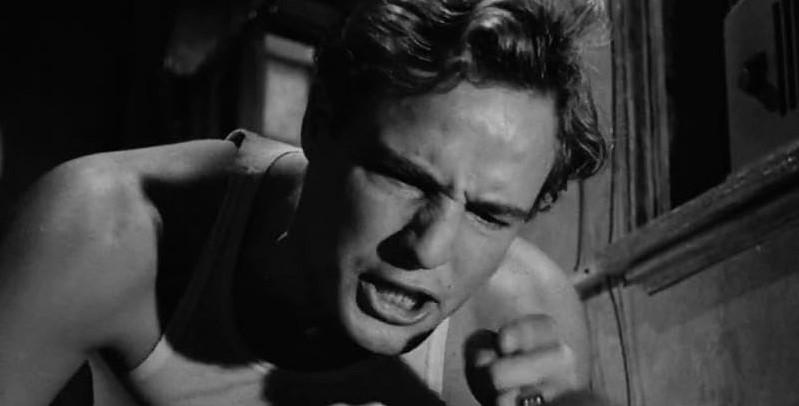
In A Streetcar Named Desire, On the Waterfront, The Wild One, and later The Godfather, Brando repeatedly transformed the question of what a male star could be. He could be brutal and tender, sensual and ridiculous, commanding and broken. He made vulnerability look like a form of power.
The Method did not magically produce better acting, nor did it become a universal solution to every performance problem. It was one acting tradition among many. But it changed the cultural expectation of stardom. The star no longer had to look perfectly assembled. A certain amount of damage could become attractive. The visible struggle to contain emotion could itself become a kind of charisma.
Montgomery Clift belongs to this postwar transformation as well. His screen image was associated with sensitivity, interior conflict, and a more delicate form of masculinity. He helped make room for leading men who did not need to dominate every scene physically. His presence suggested that a star could draw an audience through uncertainty rather than invulnerability.
The Epic, the Body, and the Larger-Than-Life Star
Hollywood also produced stars who seemed designed for widescreen spectacle. When large historical and biblical epics returned with force in the postwar period, Charlton Heston became one of the clearest embodiments of monumental screen authority. His voice, posture, and physical scale suited characters who were expected to carry civilizations, revolutions, commandments, and entire moral universes on their shoulders.
Kirk Douglas and Burt Lancaster offered a more restless version of masculine stardom. Both possessed athletic bodies and commanding screen presences, but neither was limited to heroic perfection. Douglas could appear ambitious, wounded, vain, or morally compromised. Lancaster could be graceful, dangerous, romantic, comic, or exhausted. The body that made them stars also became an expressive instrument, capable of revealing pride and fear.
This is where the star system overlaps with the history of cinematography. A star is not just a performer walking into a frame. A star is lit, photographed, edited, scored, and positioned. The same face can seem heroic under one lighting scheme, corrupt under another, and tragic under a third. The image belongs to a collaboration, even when marketing insists on attaching it to one person.
War, Escapism, and the Fantasy of Rita Hayworth and Marilyn Monroe
During wartime and the years that followed, Hollywood became an expert in distraction. This does not mean audiences were foolish or that escapist cinema was politically empty. People living through fear, loss, rationing, uncertainty, or social change often needed fantasy. The theater could offer glamour, music, danger, romance, and the temporary feeling that the world had been arranged into a comprehensible story.
Rita Hayworth became one of the defining images of that fantasy. Her performance in Gilda made glamour look both celebratory and dangerous. She could appear as an object of desire while also suggesting the instability and performance involved in being desired. The famous song-and-dance sequence is not simply an exhibition of beauty; it is a demonstration of control over the gaze.
Marilyn Monroe inherited and transformed parts of this tradition. Her image was built around sexuality, comedy, innocence, self-awareness, and the public’s hunger to possess an image while claiming to adore a person. The apparent contradiction was central to her appeal. She could be treated as a fantasy and still seem heartbreakingly exposed by the treatment.
The star system often depends on turning a performer’s vulnerability into a public commodity. Monroe’s career shows the cost of that process as clearly as any career in Hollywood. A culture may insist that it wants a star to be free, playful, and available, while punishing the person for failing to remain manageable.
Rambo, James Bond, and the Political Star Persona
Stars do not merely reflect their historical period. They help audiences imagine what that period means.
After Vietnam, the figure of Rambo became a powerful fantasy of repaired masculinity and national strength. The character’s appeal was not only physical. He embodied the idea that a wounded or humiliated nation could recover through force, discipline, and individual action. The Rambo phenomenon belongs to a larger political culture, but its effectiveness depended on the star’s body functioning as an argument. Muscles, scars, silence, and endurance became a vocabulary.
The James Bond series developed a different kind of fantasy. Sean Connery’s Bond combined Cold War espionage with elegance, violence, humor, sexual confidence, and consumer luxury. He was a professional instrument of the state who also seemed to belong to no ordinary institution. The character could travel through geopolitical danger while remaining attached to tailored clothing, fast cars, expensive drinks, and an almost comic certainty that he would survive.
Connery’s Bond demonstrated how a star can become inseparable from a franchise while still giving that franchise its identity. Later actors changed the tone, body, vulnerability, and politics of Bond, but each had to negotiate the ghost of the previous star. The role was a character, yet it was also a succession of star images.
The Decline of the Old Studio System
The classical studio system did not collapse because audiences suddenly stopped caring about stars. It changed because the industrial structure supporting it came under pressure.
The 1948 United States v. Paramount Pictures decision forced a major separation between film distribution and theater exhibition. The U.S. Department of Justice explains that the decrees required studios that owned theaters to divest either their distribution operations or their theaters, and prohibited practices such as block booking and circuit dealing. These changes weakened the vertically integrated system that had allowed major companies to control so much of a film’s path from production to audience.
Television also competed for leisure time. Production became less like a permanent factory and more dependent on individual projects. Actors increasingly moved toward freelance contracts, agents, and negotiated deals rather than remaining entirely inside one studio’s long-term stable. The old arrangement—where a studio could groom an actor, assign roles, control publicity, and keep them available—became less dominant.
In one sense, this gave stars more freedom. They could choose projects, negotiate salaries, seek profit participation, and build careers outside a single company’s plan. In another sense, the pressure became sharper. A star now had to maintain market value more independently. The studio no longer carried the entire burden of making the image visible.
The star system did not disappear. It became less centralized.
Does the Star Still Matter in Contemporary Cinema?
Today’s film landscape can make the old star system seem obsolete. Audiences may follow directors, writers, cinematic universes, streaming platforms, characters, or online communities. A successful franchise can appear to be powered more by intellectual property than by one performer. Superhero costumes, fantasy worlds, and recognizable logos can sometimes function like stars.
Yet the star has not vanished. The system has multiplied across media. Actors are promoted through interviews, social platforms, red carpets, podcasts, award campaigns, and fan cultures. Their identities are circulated constantly, sometimes with more direct access than the studio-era press could offer. The actor’s “authentic self” is now marketed alongside the role, even though that authenticity is still shaped by publicists, algorithms, brand partnerships, and platform economics.
The contemporary star may also be a producer, activist, influencer, fashion figure, or franchise architect. Some performers use their public identities to gain creative control. Others become attached to a particular kind of film: the prestige drama, the action spectacle, the independent comedy, the elevated horror film, or the streaming limited series.
Franchises have changed the balance between person and property. In the classical period, the star’s name often made the film legible. Today, a character or fictional universe may generate the initial audience, while the performer helps humanize and stabilize it. But once an actor becomes strongly identified with a role, their image becomes part of the franchise’s value. The old question—“Who is in it?”—has simply been joined by new questions: “Which version of the character is this?” and “Will this actor return?”
The Problem with Letting Stars Take All the Credit
There is an unavoidable danger in star-centered movie culture: it can make cinema look like a one-person show.
A film is not made by the actor alone. The director shapes performance through staging and rhythm. The screenwriter creates the character’s language and contradictions. The cinematographer decides how the face will be lit and how the body will occupy space. The editor determines which expression survives and which disappears. Costume designers, production designers, hair and makeup teams, sound designers, composers, stunt performers, dialect coaches, producers, assistant directors, grips, electricians, and countless other workers build the conditions in which a star can appear to be effortlessly magnificent.
The star system hides this labor because hiding labor is part of glamour. The finished image looks natural. The cowboy appears to belong on the horse. The gangster seems to have been born with the voice. The romantic lead appears to enter the light without anyone placing it there.
This does not mean we should stop admiring stars. Cinephilia is partly the art of admiring the details that cinema makes look easy. But admiration becomes richer when we understand the collaboration behind the image. John Wayne is not less interesting because costume, camera placement, editing, and direction help create his authority. Marilyn Monroe is not less powerful because lighting and choreography participate in her glamour. Brando’s performance does not become less personal because a director and cinematographer gave it a frame.
The best way to resist the one-man-show mentality is not to reject stars but to see them in relation to the whole film.
The Good, the Bad, and the Necessary Illusion
The star system has serious problems. It has encouraged typecasting, unequal pay, discrimination, exploitative contracts, invasive publicity, unrealistic beauty standards, racial hierarchy, ageism, and the reduction of private lives to commercial material. Women in particular have often been rewarded for youth and punished for aging, while male stars have been allowed a much wider range of physical and professional longevity.
The system has also made certain kinds of stories easier to finance than others. A film with a bankable name may receive more attention than a film built around an unknown performer, even when the unknown actor is exactly right for the role. The emphasis on marketable faces can narrow the range of bodies, accents, ethnicities, ages, and experiences that appear at the center of popular cinema.
But the star system also gives cinema a special emotional continuity. It allows audiences to build long relationships with performers across decades. We watch a young actor become a parent, a rebel become an authority figure, a romantic lead become a character actor, a glamorous face become a historical document. Stars carry time in their bodies.
They also make genre personal. A western is not only a western when John Wayne appears in it; it becomes a conversation with his earlier westerns. A thriller with James Stewart carries the memory of his decency and anxiety. A gangster film with Bogart arrives with a preloaded atmosphere. The star creates a bridge between separate films, allowing cinema to become a conversation across roles.
Why We Still Ask “Who Is in It?”
The Hollywood star system succeeded because it understood something basic about moviegoing: audiences do not enter a theater as blank sheets of paper. They bring hopes, memories, desires, fears, and habits. A star gives those feelings a face.
We may go to see a film because of the director, the screenplay, the cinematography, the subject, or the promise of a new world. But the star remains one of cinema’s most efficient invitations. The name says: you have been here before, even though this story is new.
That promise can be honest or manipulative. Sometimes the star delivers exactly the pleasure we expected. Sometimes the film uses our expectations against us. Sometimes a familiar image is destroyed, as when a beloved good man plays a monster. Sometimes it is renewed, as when an older performer brings a lifetime of associations into a late, unexpected role.
A star is therefore never only the person standing in front of the camera. A star is a memory of other films, a publicity campaign, a genre tradition, a body shaped by history, a voice we recognize in the dark, a promise made by a studio, and a collaboration that the marketing department would prefer us to forget.
Hollywood did not invent the human desire for heroes, lovers, rebels, villains, or impossible beauties. What it invented was a remarkably efficient way to package those desires and send them around the world. It learned to show audiences the people they wanted to become, the people they wanted to love, and occasionally the people they were afraid they already were.
That is the real power of the star system. It turns performance into personality, personality into expectation, and expectation into the decision to buy a ticket. Even now, after a century of technological change, industrial upheaval, streaming platforms, franchises, and social media, the old question survives.
Who is in it?
And if the answer is the right one, the lights go down.